By YIKA Electric | 05 September 2025 | 1 Comments
High-Voltage Surge Arresters: Protect Electrical Systems from Transient Overvoltages
High-Voltage Surge Arresters: Protect Electrical Systems from Transient Overvoltages
Introduction
Modern infrastructure—from manufacturing plants to urban power grids—relies on high-voltage electrical systems to function. Yet these critical systems face a hidden threat: transient overvoltages caused by lightning strikes, sudden switching operations, or equipment faults. Studies show that unprotected surges cost industries over $15 billion annually in equipment damage, downtime, and repair costs. This is where high-voltage surge arresters become indispensable. In this guide, we’ll break down what surge arresters are, how they shield your systems in microseconds, the most effective types for different applications, and how to select and maintain them for long-term reliability.
What Is a High-Voltage Surge Arrester?
A high-voltage surge arrester is a specialized protective device engineered to divert transient overvoltages away from sensitive electrical equipment. Unlike fuses or circuit breakers (which interrupt current), surge arresters act as a "voltage gatekeeper": they maintain a high-resistance state during normal operation, then instantly switch to a low-resistance path when overvoltages occur—channeling excess energy safely to the ground. This prevents damaging voltage spikes from reaching transformers, substations, or industrial machinery. Common applications include power transmission networks, utility substations, and heavy-industry facilities.
How Do High-Voltage Surge Arresters Work?
The functionality of surge arresters hinges on a rapid, four-step process—all completed in less than 1 microsecond to avoid system damage:
- Normal Operation: Under standard voltage conditions, the arrester remains in a high-resistance state, allowing electricity to flow unobstructed to equipment.
- Surge Detection: When a transient overvoltage (e.g., a lightning-induced spike or switching surge) exceeds the arrester’s rated voltage, internal components (like varistors or spark gaps) trigger an immediate response.
- Energy Diversion: The arrester creates a low-resistance path to the ground, redirecting up to thousands of volts of excess energy away from protected assets.
- Reset to Normal: Once the surge subsides and voltage returns to safe levels, the arrester reverts to its high-resistance state—restoring normal system operation without disruption.
Types of High-Voltage Surge Arresters
Not all surge arresters are built the same. Choosing the right type depends on your system’s voltage, environment, and performance needs:
- Gapped Arresters: Traditional design using a spark gap to isolate the system from ground during normal operation. When surges occur, the gap ionizes to create a current path. While cost-effective, they have slower response times (5–10 microseconds) and are less common in modern high-voltage systems.
- Metal-Oxide Varistor (MOV) Arresters: The industry standard for most applications. Their zinc-oxide core has non-linear resistance—meaning it instantly conducts excess voltage while blocking normal current. MOV arresters offer high durability and require minimal maintenance.
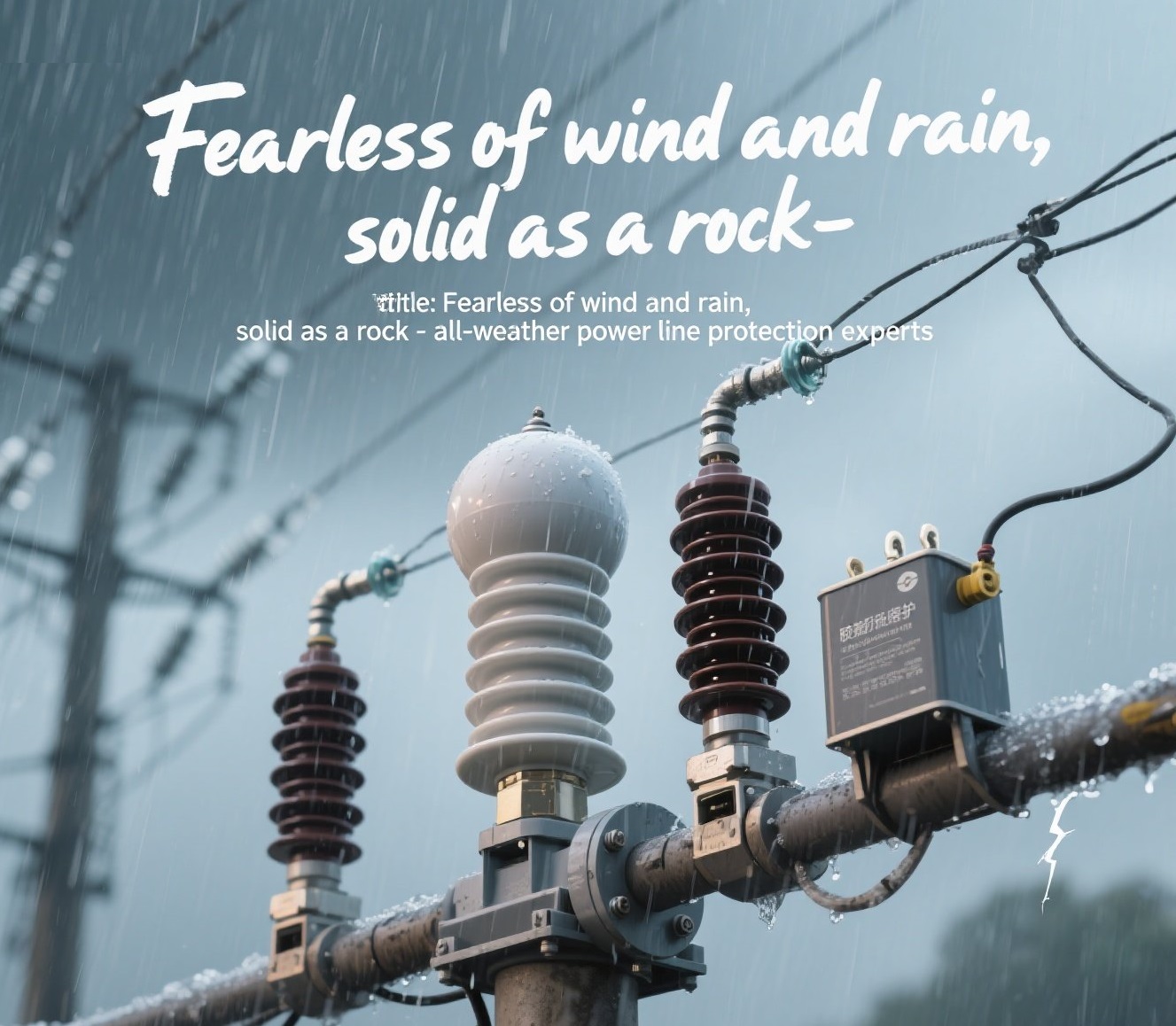
- Polymer-Housed Arresters: Ideal for harsh environments (e.g., coastal areas, industrial zones with heavy pollution). Their lightweight polymer casing resists corrosion and UV damage, and they’re easier to install than traditional porcelain models. Polymer arresters also have better heat dissipation for long-term reliability.
- Porcelain-Housed Arresters: Known for extreme robustness in high-pollution or high-vibration settings (e.g., mining operations). Porcelain casings withstand temperature fluctuations and physical impact but are heavier and more prone to breakage during installation.
Key Applications of High-Voltage Surge Arresters
Surge arresters are critical for protecting every layer of electrical infrastructure:
- Power Transformers: Shield transformers (the backbone of power distribution) from lightning and switching surges that cause winding damage or insulation failure.
- Substations: Protect circuit breakers, capacitors, and control systems in substations—preventing cascading failures that disrupt entire power grids.
- Transmission Lines: Safeguard overhead and underground transmission lines from lightning-induced surges that lead to line outages.
- Industrial Facilities: Defend manufacturing machinery, variable frequency drives (VFDs), and automation systems—avoiding costly production downtime.
How to Choose the Right High-Voltage Surge Arrester
Selecting an arrester that matches your system’s needs requires evaluating four key factors:
- System Voltage Rating: The arrester’s rated voltage must exceed your system’s maximum operating voltage (e.g., a 138kV system needs an arrester rated for 150kV or higher) to avoid accidental activation.
- Energy Absorption Capacity: Calculate the maximum surge energy your system may face (e.g., from nearby lightning strikes) and choose an arrester with a matching or higher energy rating (measured in kJ).
- Environmental Conditions: For coastal areas, choose corrosion-resistant polymer housings; for high-pollution zones, select arresters with hydrophobic coatings. Extreme temperatures may require temperature-rated components.
- Standards Compliance: Always choose arresters certified to IEC 60099 (international) or IEEE C62.11 (North American) standards—ensuring they meet safety and performance benchmarks.
Maintenance Tips for Long-Lasting Performance
Proper maintenance extends surge arrester lifespan (typically 10–15 years) and ensures reliable protection:
- Monthly Visual Inspections: Check for physical damage (cracks in housings), corrosion, or oil leakage (in older models). Look for signs of overheating (discolored casings) or arcing marks.
- Quarterly Cleaning: Remove dirt, dust, and debris from housings—especially in polluted environments. Use a soft brush and mild detergent to avoid damaging coatings.
- Annual Electrical Testing: Conduct diagnostic tests (e.g., insulation resistance tests, leakage current measurements) to verify the arrester’s internal functionality. For MOV arresters, test varistor resistance to detect degradation.
- Proactive Replacement: Replace arresters that show signs of wear (e.g., increased leakage current, cracked housings) or have exceeded their service life—even if they haven’t failed yet.
Conclusion
High-voltage surge arresters are the unsung guardians of electrical infrastructure. By diverting destructive transient overvoltages in microseconds, they prevent billions in annual losses and keep power grids, factories, and cities running. Whether you’re protecting a small industrial facility or a large utility substation, understanding your arrester’s type, application, and maintenance needs is key to maximizing system reliability.
Call to Action
Don’t let unprotected surges shut down your operations! [Contact our team] today for a free system assessment—we’ll help you select high-performance surge arresters tailored to your voltage, environment, and budget. Or browse our [product catalog] to explore IEC- and IEEE-certified arresters for every application.
¿Cómo seleccionar fusibles de media tensión para transformadores?
Polymer Insulators: The Modern, High-Performance Choice for Power Lines
Recently Reviews
Read MoreLeave a Reply
Your email address will not be published.Required fields are marked. *