By YIKA Electric | 19 April 2024 | 2 Comments
high voltage lightning arrester
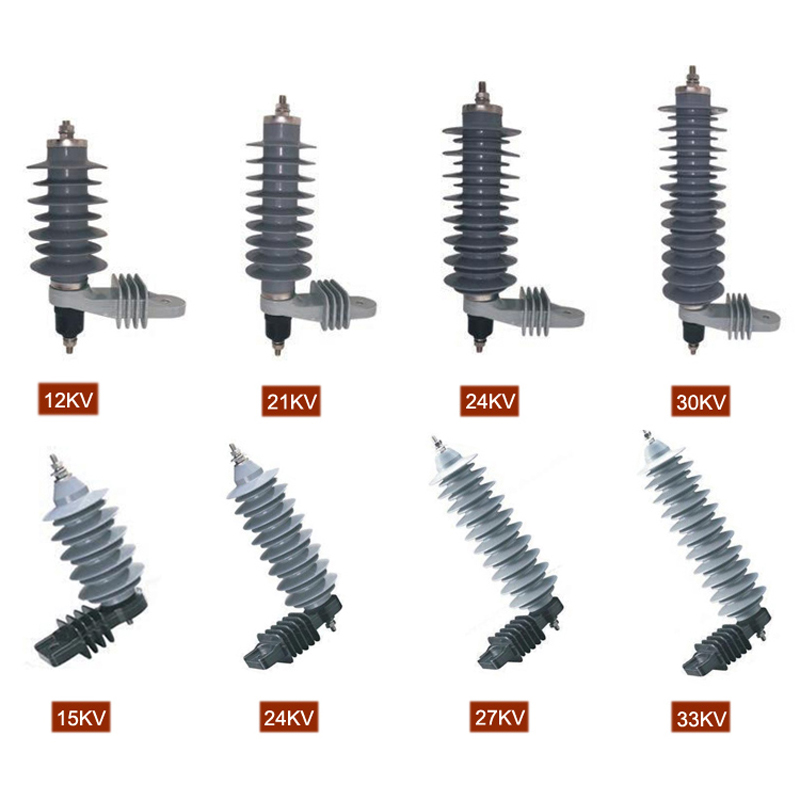
A high-voltage lightning arrester is a device designed to protect electrical systems and equipment from damage caused by lightning strikes or voltage surges. Also known as surge arresters or lightning arresters, they are crucial components in power distribution and transmission systems, as well as in various electrical installations.
Here's how they typically work:
Basic Function: Lightning arresters provide a low-impedance path to divert excessive currents from lightning strikes or voltage surges to the ground, thus protecting the connected equipment.
Construction: They are typically constructed of metal oxide varistors (MOV) or silicon carbide (SiC) devices, which have highly nonlinear voltage-current characteristics. These materials conduct electricity when the voltage across them exceeds a certain threshold, effectively shunting the excess current away from the protected circuit.
Installation: Lightning arresters are installed at points where electrical equipment is vulnerable to lightning strikes or voltage surges. This could include the entrance points of buildings, substations, or along power transmission lines.
Voltage Rating: High-voltage lightning arresters are designed to handle voltage levels that are typically higher than standard residential or commercial equipment. They are rated for specific voltage levels to match the requirements of the electrical system they are protecting.
Response Time: Lightning arresters must respond quickly to surges to effectively protect equipment. They are designed to have very fast response times, typically on the order of microseconds.
Grounding: Proper grounding is essential for the effective operation of lightning arresters. The device must be connected to a reliable ground to ensure that the excess current is safely diverted away from the protected equipment.
Overall, high-voltage lightning arresters play a critical role in safeguarding electrical infrastructure from the destructive effects of lightning strikes and voltage surges, helping to maintain the reliability and integrity of power systems.
Recently Reviews
Read MoreLeave a Reply
Your email address will not be published.Required fields are marked. *